
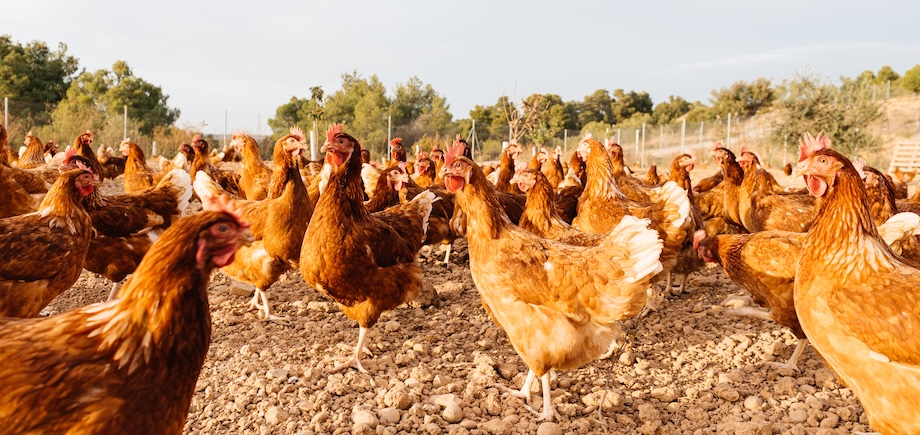
Poultry
Improved feed conversion and intestinal health in laying hens, turkeys and other poultry. Replacing 2 to 8% of soy with superior results.
Sustainable protein for animal feed
The protein source revolutionizing animal feed. More sustainable. More efficient. The best price in the European market.
Benefits by species
Select a species to see the specific benefits of incorporating insect meal into their diet.
Laying hens, turkeys and other poultry.
Insect meal provides essential amino acids such as methionine and lysine that improve egg production and intestinal health in birds, reducing the need for antibiotics and increasing flock profitability.
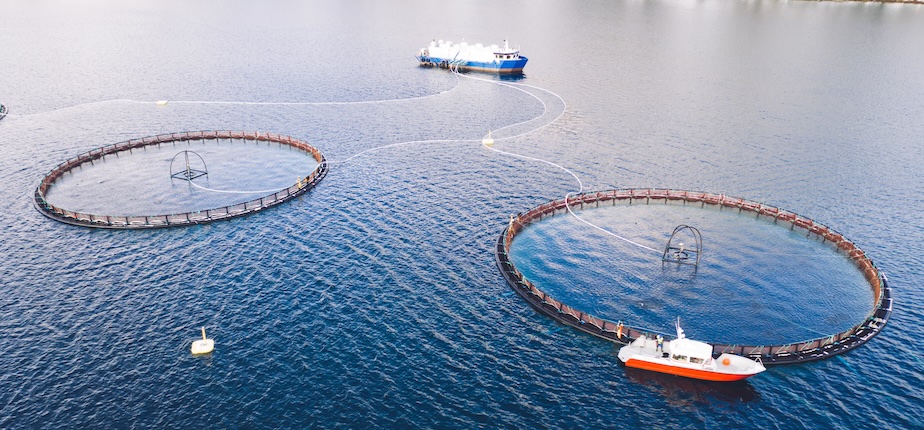
Salmon, trout, sea bass, sea bream, tilapia and other farmed species.
Insect protein directly replaces fishmeal with a complete amino acid profile and high digestibility. Fatty acids and bioactive peptides strengthen the immune system of fish, improving survival and growth in fish farms.
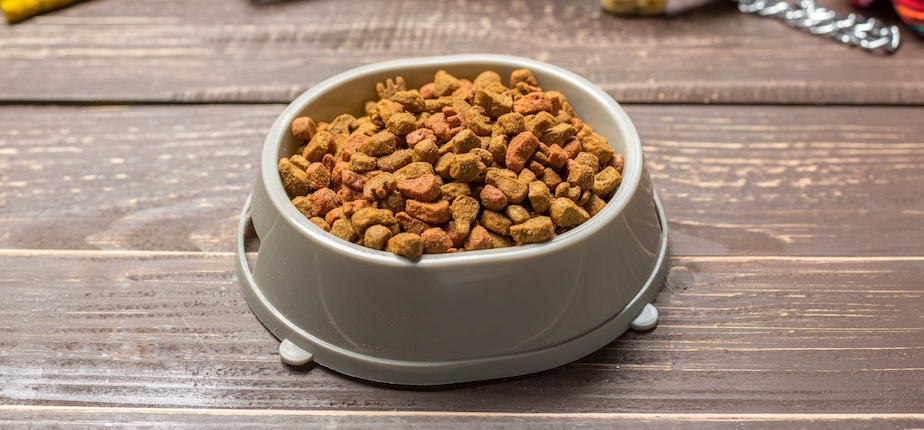
Dogs, cats and other pets. Premium and specialized segment.
Insect meal is a novel and hypoallergenic protein, ideal for pets with food intolerances. Its richness in lauric acid and omega-6 promotes healthy skin and a shiny coat, positioning the brand in the fastest-growing eco-conscious segment.
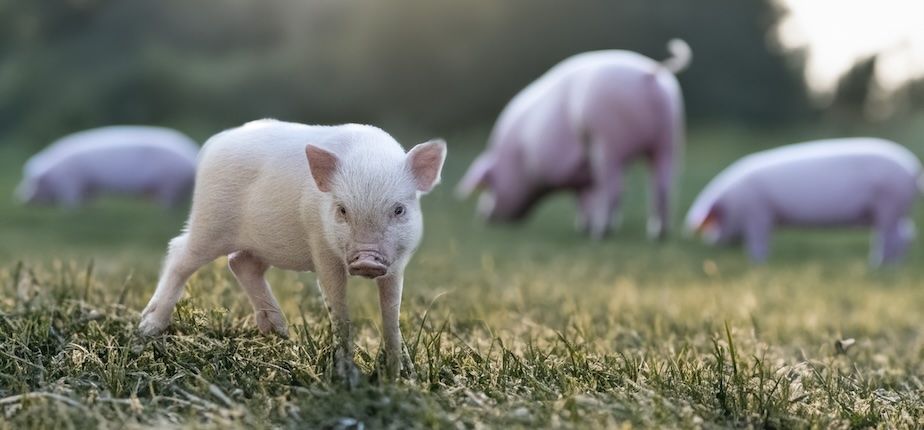
Piglets, fattening pigs and breeding sows.
The lauric acid present in insect meal acts as a natural antimicrobial in the pig's digestive tract, reducing diarrhea in piglets and decreasing antibiotic use. It is a direct alternative to imported soy with a stable price and lower environmental footprint.
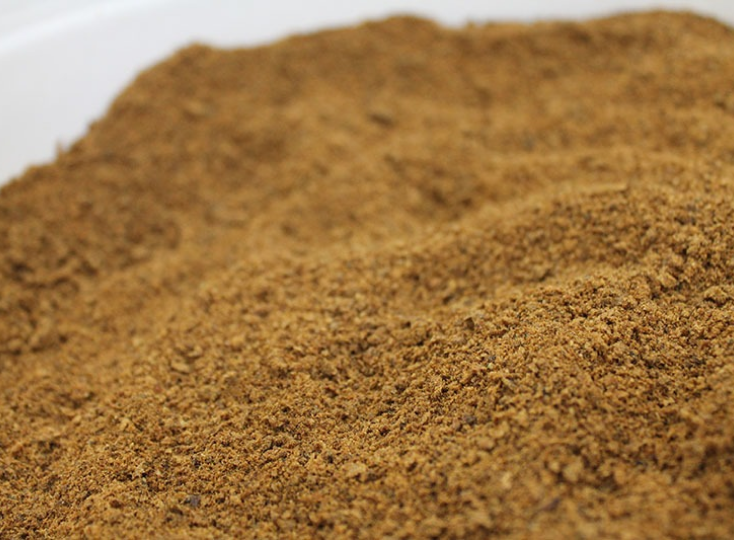
The product
Hermetia illucens
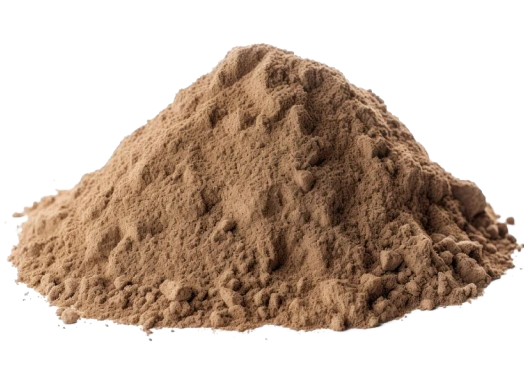
Our meal is produced from Hermetia illucens larvae, raised in controlled facilities and fed with organic by-products. The result is an exceptional quality protein, rich in essential amino acids and beneficial fatty acids.
Advantages
40-55% crude protein concentration that improves feed conversion and accelerates healthy animal growth.
Lauric acid (60% of the lipid profile) fights pathogens such as Salmonella and E. coli, reducing antibiotic use on the farm.
Chitin acts as a natural prebiotic, promoting Lactobacillus and Roseburia for better nutrient absorption.
Complete profile with lysine (38.8 g/kg), leucine (44.6 g/kg) and valine (40.1 g/kg), superior to many plant-based sources.
Novel protein ideal for animals with food sensitivities. Especially valued in premium pet food formulation.
Controlled production in enclosed facilities. No antibiotics, no heavy metals, no ocean contaminants.
Composition
How insect meal stacks up against conventional protein sources.
Insectius
Conventional
Conventional
Applications
Insect meal is authorized and beneficial for multiple animal species.
Improved feed conversion and intestinal health in laying hens, turkeys and other poultry. Replacing 2 to 8% of soy with superior results.
Direct fishmeal replacement. Improved immune and antioxidant system in salmon, trout, sea bass and sea bream. Reduces emissions from the aquaculture sector.
Novel and hypoallergenic protein, ideal for animals with sensitivities. The growing demand for sustainable ingredients makes insect meal a differentiator in the premium market.
Authorized in the EU since September 2021. Performance comparable to conventional sources with improved digestive health and long-term cost reduction.
Environmental impact
Every ton of insect meal replacing conventional sources generates a real, quantifiable positive impact.
Drastic reduction in carbon emissions compared to soy cultivation for animal feed.
Lower carbon footprint than the production and transport of conventional fishmeal.
Organic waste transformed into insect protein generates 47 times less CO₂ than composting.
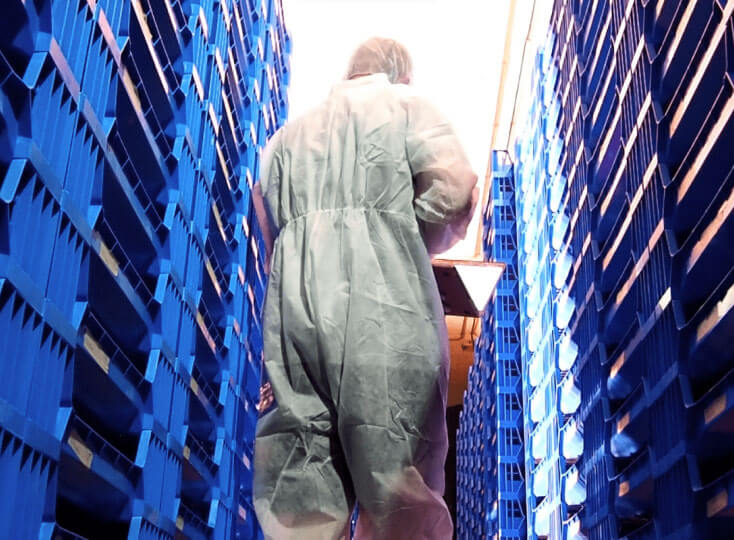
The insect transforms organic waste —agri-food by-products that would go to landfill— into high nutritional value protein. A cycle where nothing is wasted.
According to the FAO, replacing just 10% of the world's fishmeal with insect protein would save over 15 trillion liters of water per year.
The context
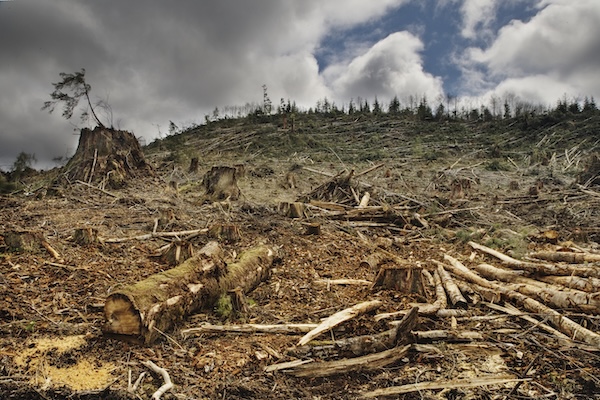
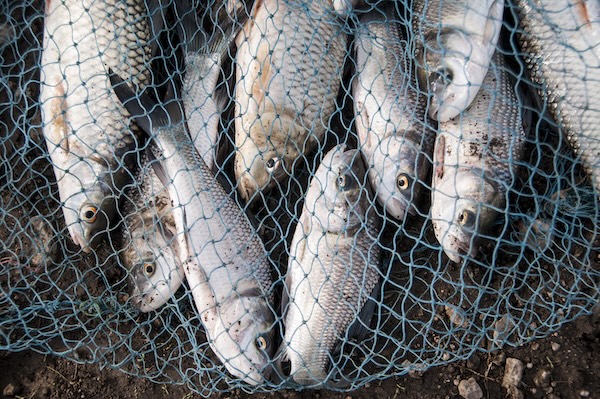
The animal feed industry depends on fishmeal and soy: two resources with a devastating environmental impact and increasing price volatility.
Overfishing is collapsing marine ecosystems. Soy cultivation destroys tropical rainforests. And both markets suffer price fluctuations that put the profitability of livestock operations at risk.
The solution is not in the ocean or in monoculture fields. It is in an insect.
Competitive pricing
Premium insect protein.
At the price of fishmeal.
FAQ
Insect meal is authorized and beneficial for poultry (broilers, laying hens), aquaculture fish (salmon, trout, sea bass, sea bream), pigs, and pets (dogs and cats). Its complete amino acid profile and prebiotic properties make it ideal for improving the health and performance of these animals.
Insect meal contains 55% crude protein with 85% digestibility, levels comparable to fishmeal (60-72% protein). Additionally, it offers unique advantages: lauric acid with antimicrobial properties, chitin as a natural prebiotic, and a drastically lower environmental impact. At 1,800 EUR/ton, its price is on par with premium fishmeal.
Yes. Hermetia illucens is one of the 8 insect species authorized by the EU for animal feed. It is approved for aquaculture (since 2017), poultry and swine (since September 2021, EU Regulation 2021/1372), and pet food. EFSA oversees and progressively updates the regulatory framework.
Scientific studies show that insect meal can replace up to 100% of fishmeal in certain formulations, especially in aquaculture and poultry. The general recommendation is to start with a 25-50% substitution and increase based on the results obtained in each operation.
Our insect meal contains: 55% crude protein, 15% lipids (rich in lauric acid C12:0), 5% moisture, 7-8% ash. Key amino acids: lysine 38.8 g/kg, leucine 44.6 g/kg, valine 40.1 g/kg. Protein digestibility of 85.1% and energy digestibility of 87.1%.
We work with orders starting from 1 ton for new customers. The meal is supplied in 25 kg bags or 500 kg/1,000 kg big bags depending on preference. We ship throughout Europe. Contact our sales team for specific conditions and logistics.
Insect meal production generates 71% less CO2 than soy and 27% less than fishmeal. It uses minimal water and land, and contributes to the circular economy by transforming organic waste into high-value protein. According to the FAO, replacing just 10% of the world's fishmeal with insect protein would save over 15 trillion liters of water per year.
Yes. We send free samples of our insect meal to industry professionals who wish to evaluate the product before placing an order. Contact us at hello@insectius.com or +34 628 288 809 to request your sample.
Contact our sales team to receive a free sample and a custom quote.
Request a quote